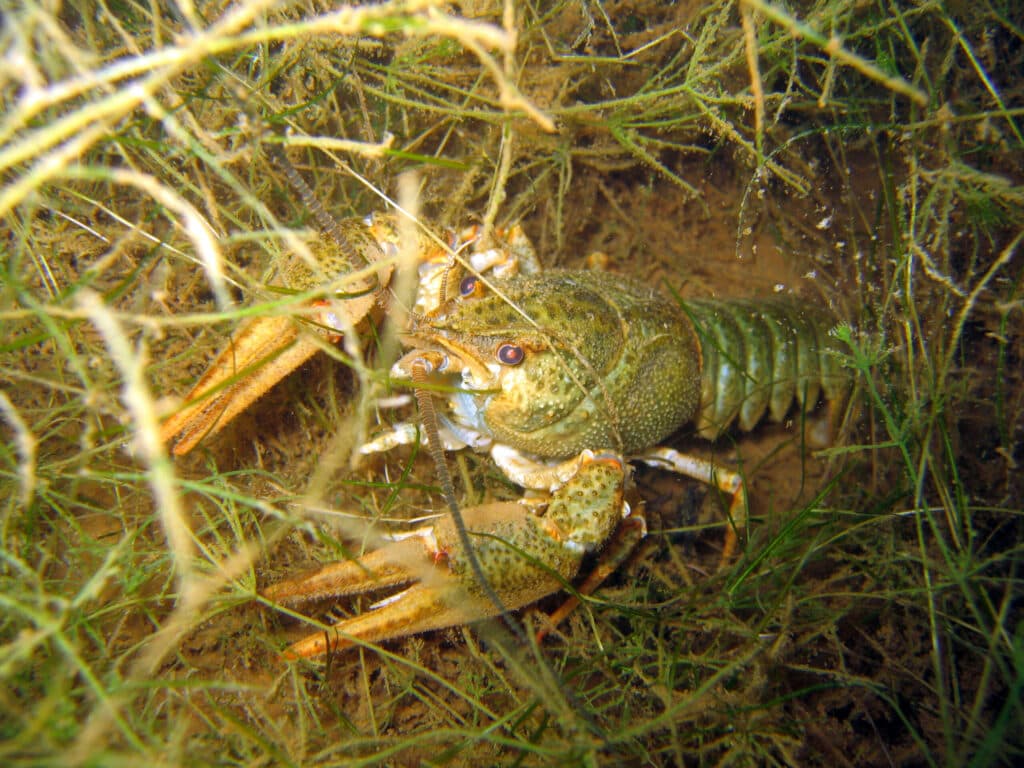
Who among us does not love crayfish? Especially if crayfish are properly prepared, large, tasty… And if with some trendy craft beer, what could be better than an evening at the table with your favorite friends?
Crayfish have been a food product since ancient times. Our ancestors ate crayfish not only to diversify and satisfy their taste needs, but also because the benefits of crayfish for human health are invaluable. This is a useful product, which is famous for its excellent taste: crayfish meat is very tender, tasty, and most importantly, nutritious. The nutritional value and benefits of crayfish are due to their high protein content. Moreover, this protein is easily absorbed by the body.
In addition to protein, crayfish meat contains many other useful components. As in fish, crayfish contain a lot of phosphorus, iron, cobalt, as well as magnesium, calcium and potassium. Despite all the nutritional value of this product, the calorie content of cancer is not high, and the fat content per hundred grams of the product is no more than 1%. For this reason, eating crayfish is very beneficial for human health during a diet. There are no more than 77 calories in one hundred grams of crayfish meat.
Crayfish is also recommended for preventive purposes: they prevent the development of a disease called goiter. Crayfish meat contains enough iodine to prevent problems with the thyroid gland.
In short, no matter where you look, there is only one benefit from crayfish! This is probably why many people are interested in breeding crayfish on an industrial basis. Several times a week we receive inquiries about breeding and growing crayfish. Therefore, we decided to jointly write an article about the prospects of crayfish cultivation in our country.
Ukrainian crayfish
River crayfish (Astacus) — genus of invertebrate animals of the order of decapod crustaceans (Decapoda), body length is usually 6-15 cm, sometimes up to 80 cm. The genus consists of three species, all found in Ukraine: Crayfish broadleaf (Astacus astacus L.), common in some small rivers and lakes of the right-bank floodplain Dniester, Prut and Teteriv; Crawfish (Astacus pachypus L.) in Dniprovsko-Buzka estuaries: Narrow-billed crayfish (Astacus leptodactylus Eschz.) in all fresh and saline reservoirs. The greatest industrial importance in Ukraine is crab narrow-toed. As inhabitants of water bodies, crustaceans breathe with gills.
This is how Wikipedia information about the species composition of our native Ukrainian crayfish. It is narrow-legged crayfish that most often get to our table. Let’s try to figure out how profitable commercial breeding of such crayfish is.
One of the biggest problems of crayfish of the genus Astacus is stunting. During the first season, newborn rachats reach a size of only 3-5 cm and a weight of 6-8 grams. In the next season, the crayfish reaches a size of 10 cm and a weight of up to 40 grams, and is considered industrial. It often takes 5-8 years for an annual crayfish to gain a mass of 100 grams.
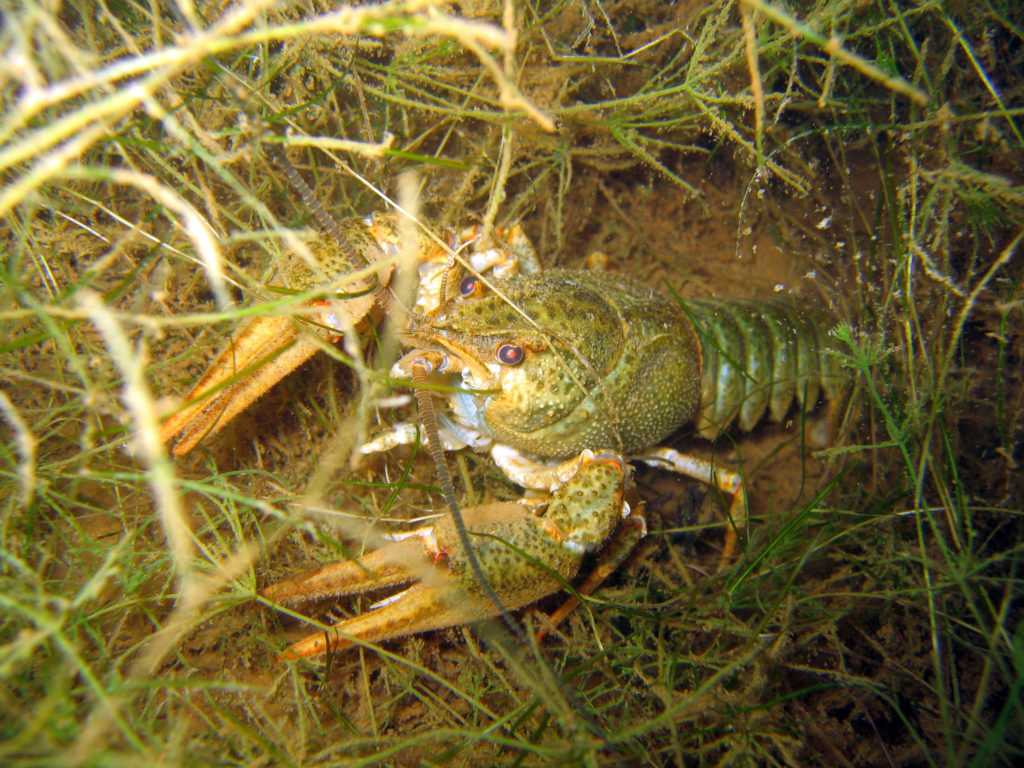
Large areas of reservoirs are required for intensive cultivation of narrow-mouthed crayfish. Under the best conditions (warmth, water quality, availability of feed), it is possible to grow 250-300 kg of crayfish on one hectare. In ponds with polyculture (carp, white carp, walleye), this figure sharply decreases to 50-100 kg of crayfish from one hectare. At a wholesale price of 8-10 dollars for 1 kg of large crayfish, this is a good supplement for a fish farmer. But it is not so easy to achieve such a level of crayfish catch in such conditions.
It is clear that the main part of crayfish consumed by us is caught in natural conditions. Crayfish are not always harvested legally. The raid of the newly created fish patrol of the State Fisheries Agency on breeding sites in August-September 2016 revealed a number of cases of illegal fishing and trade of these animals. There are no specialized crayfish farms in Ukraine.
On the Internet, when you search for “crawfish farm” you will find a bunch of links to pages that tell you how to organize a crayfish farm. But have you seen at least one of them live? If you have seen it, please share the information. I think that readers will gladly ask for a tour to see “where crayfish spend the winter” with their own eyes!
Australian crayfish are a promising object of domestic aquaculture
But the place where crayfish really winter is in Australia!
In January 2016, Australia described 142 species of crayfish. One hundred and forty two! Compare with our three and then you will understand why our compatriots in Australia live well: they can feast on a huge number of crayfish. This is where the real kingdom of crayfish is in the world. The largest Australian crayfish grow up to 2.5 kg and are called river lobsters!
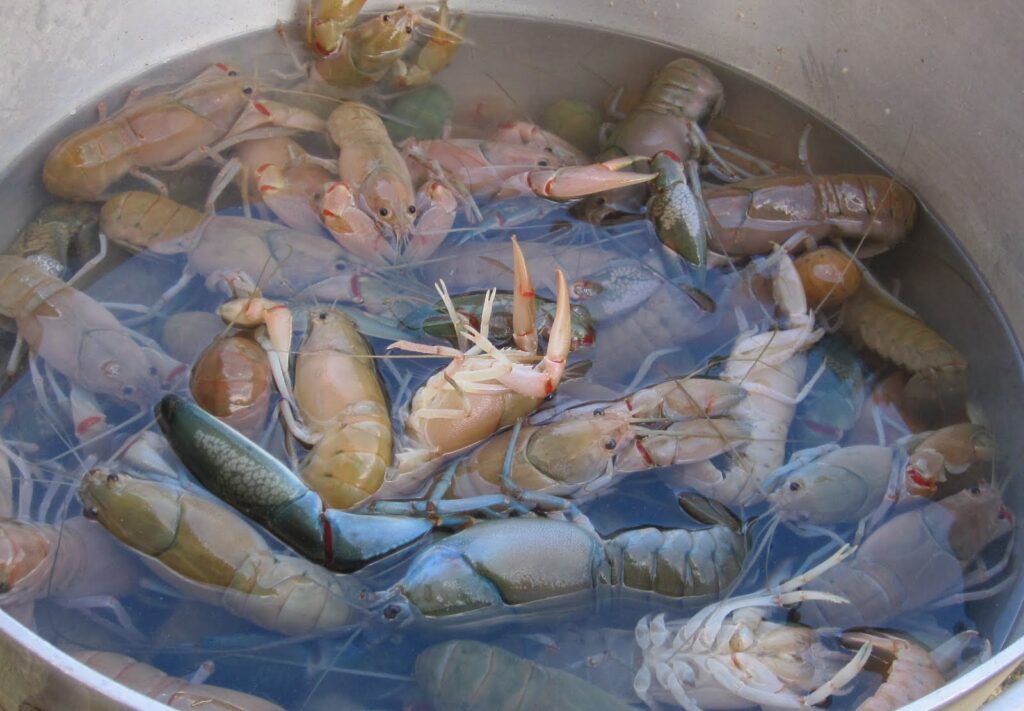
And it would be surprising if, among such a variety of species, there were not species that grow quickly, are undemanding to living conditions and allow them to be grown in large quantities. There are a lot of real crab farms in Australia, because the catch of crustaceans in nature is very limited. That is why farmers have been growing delicious crayfish for the needs of the local population for a long time.
We invite everyone interested in growing crayfish to take part in the “Crayfish Farm” project.
What kind of crayfish do Australian farmers breed? Can we grow these crayfish in our conditions? What is needed for this? You will find answers to these questions below.
The most popular species for industrial crayfish cultivation is the genus Cherax. Below you will get acquainted with the three most common types of crayfish.
AKKR – red clawed crayfish
This crayfish has been known among our aquarists for a long time. It is also called АЧКР (Australian red-clawed crayfish, АККР in Russian), so it is by this abbreviation that you need to be interested in this crayfish on the Internet.
A distinctive feature of this species (Cherax quadricarinatus) is its bright color, typical of tropical species. The natural habitat is the rivers of Queensland and the Northern Territory of Australia, known as isolated tropical areas. Life expectancy is 5 years, length – up to 40 cm. Maximum weight of males – 500 grams, females – 400.
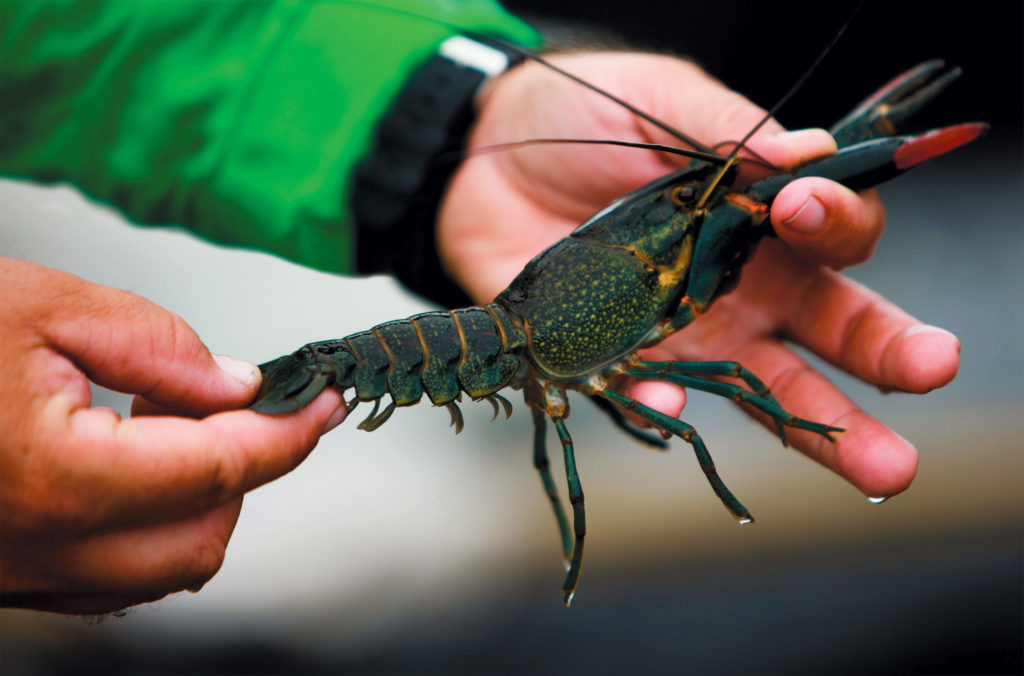
Crayfish is not demanding on water quality – active reaction of water within pH 6.5-8.5, hardness – from 5 to 20. The optimal water temperature for keeping is 20-28 ºС. the limiting factor for storage is the temperature below 10 ºС and above 36 ºС. It can survive with low oxygen content and high nitrate content, and the most dangerous for cancer is the presence of copper ions in the water.
Optimal parameters for a high growth rate: pH – 8, hardness – 5-15, t water – 28 ºС, dissolved O2 – 7 mg/l.
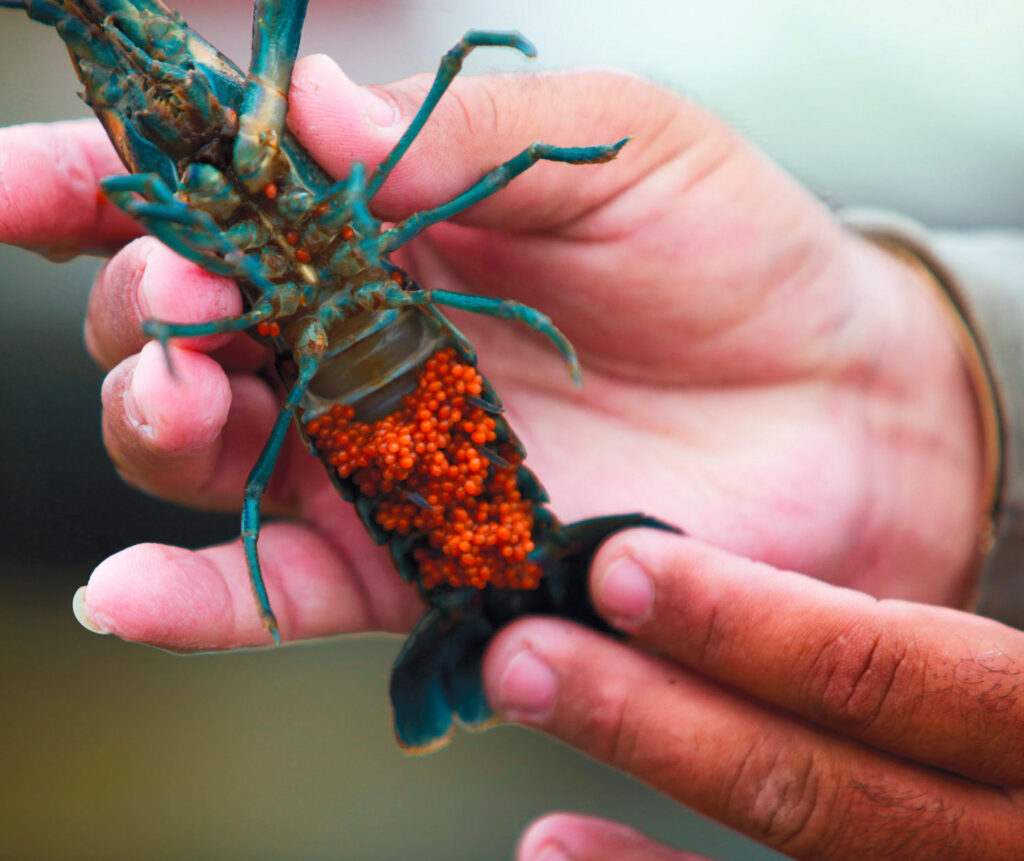
Fisheries and biological indicators of growing Australian crayfish:
- Commodity weight up to 200 g and more, quite fast growth rate – in 6 months weight
up to 50-60 g; - Meat content in the tail part 30% (15-20% in other species, including ours crayfish);
- Unpretentious, tolerates adverse conditions, a wide range of water parameters for growing;
- Peaceful, not aggressive at high planting density;
- Does not dig burrows;
- Consumes various types of feed with low protein content (about 20%);
- The fecundity of females weighing 100 g is about 1,000 rachats.
Yabbi
Cherax destructor is a destroyer, this is the terrible name of the common yabbi, which got this name for its harmful habit of destroying dams. These crayfish will like to spend the day in burrows that they dig for themselves on the banks of reservoirs. Crayfish mainly feed on plant remains and detritus, but they do not miss fish, chironomid larvae or other high-protein delicacies. Crayfish go hunting at night.
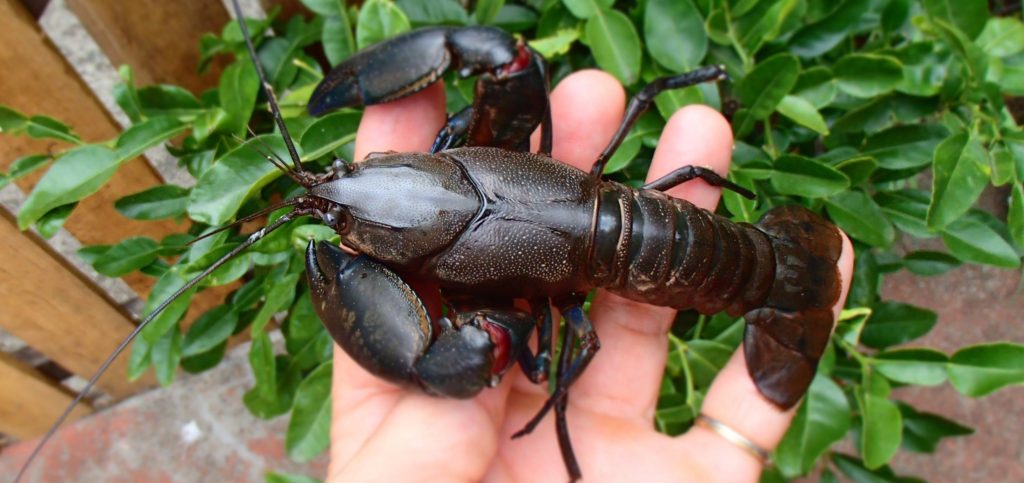
This crayfish is native to Victoria, New South Wales, although this species can be found in Queensland, South Australia and many parts of the Northern Territory. Yabby destructor is the most widespread type of crayfish in Australia.
The maximum length of a yabby is 30 cm, but the main mass of a crayfish population is from 10 to 20 cm. The weight of males is up to 300 grams, females rarely gain more than 150. At the age of 16 months, young crayfish can weigh up to 100 grams, and at 6 months they grow to 30-40 grams, which is industrial size.
We invite all those interested in growing crayfish to take part in the “Crayfish farm” project.
Undemanding to the amount of dissolved oxygen (can survive up to 1 mg/l), during drought it burrows into the ground, where it can wait for the rainy season for a long time. Temperature regime – from 4 to 35C, pH should be slightly alkaline – 7.5-9.5, easily tolerates water salinity up to 12 ppt.
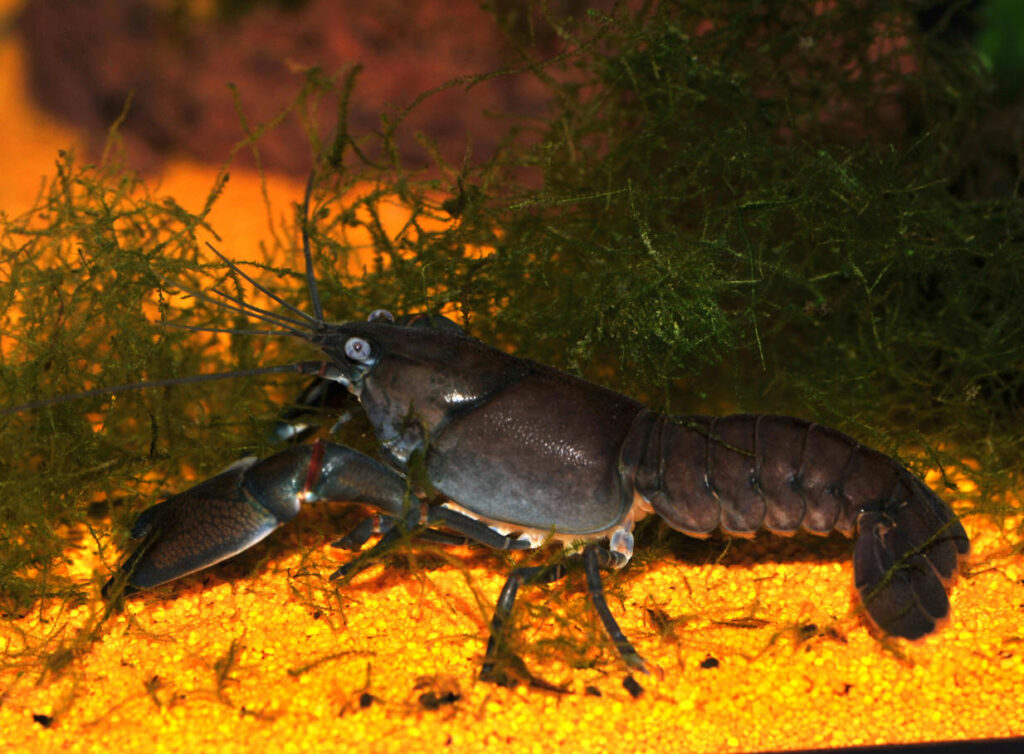
All Australian crayfish are characterized by a high yield of meat (up to 30%), and yabbies in this sense are not far behind others.
In the case of extensive cultivation, Australian farmers plant about 5 pieces per 1 sq.m., which makes it possible to get 300-350 kg per season from 1 hectare of area.
Marron
Marrons are two closely related species of crayfish – Cherax cainii (smooth marron) and Cherax tenuimanus (hairy marron). It is the largest species of crayfish in Western Australia, and the third largest crayfish in the world. Maroons are endemic to Western Australia.
Grow up to 40 cm, the weight of adult males can reach 2.5 kg. It is for these sizes that they are often called river lobsters. These crayfish grow to a weight of 100 grams in one season. Sometimes the fastest growing ones can reach up to 200 grams in the first year of life, and at the age of two, these giants can reach 350-600 grams.

Unlike the above crayfish, marrons are picky about water quality. They inhabit places where there is a constant flow, clean, oxygen-rich water and plenty of food. Water with the following parameters is best suited: dissolved oxygen level above 3 mg/l, pH – 7.5-8.5, total hardness – 50-300 mg/l, temperature – 17-25C (ideal conditions, but tolerates lowering to 8C), ammonium – less than 0.25 ppm, poorly tolerates water salinity above 3 ppt.
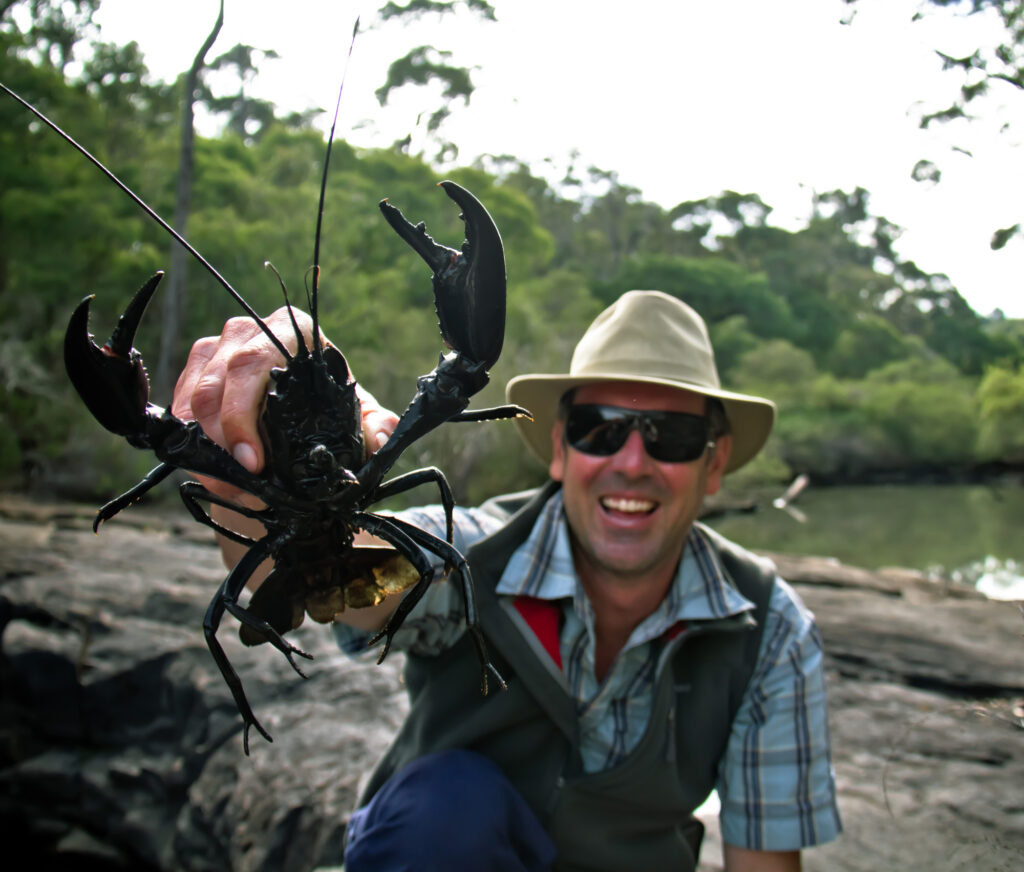
Marrons have the best meat yield – up to 50%. That is why they are considered the most delicate cancer in the world. Prices for a kilogram of this crustacean can exceed 100 dollars per kg.
Marrons are one of the most promising crustacean cultures in the world, because with the right technology, it is possible to grow up to 4,000 kg from one hectare per year.
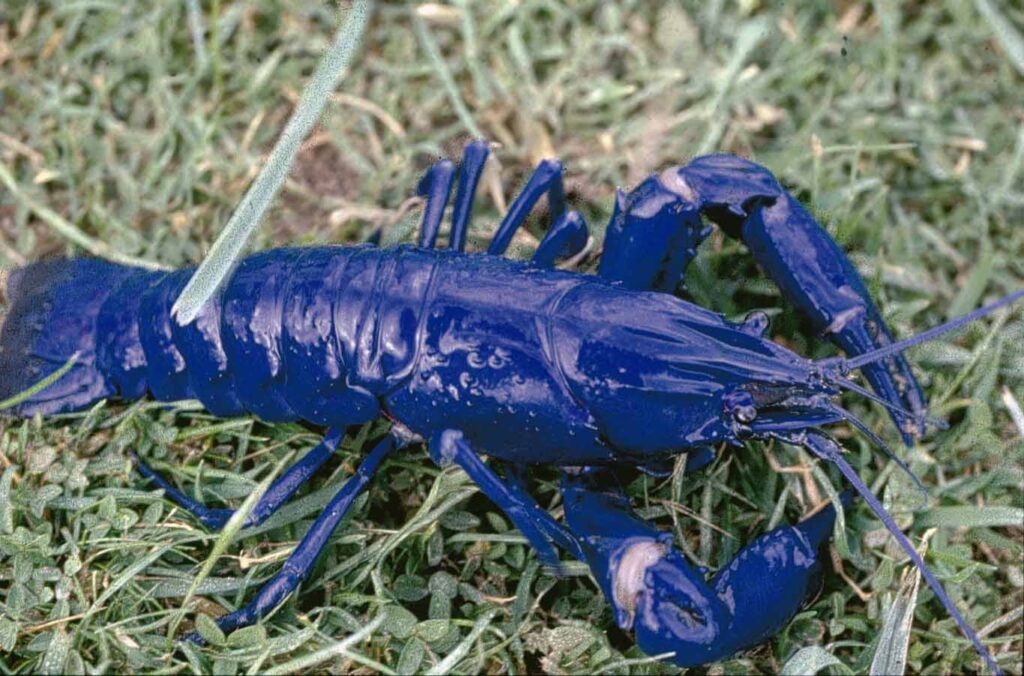
There is an extremely beautiful color form of electric blue marron, which is extremely popular among aquarium lovers.
What to do in Ukrainian to farmers?
It is clear that the weather conditions that have developed in Ukraine do not allow growing Australian crayfish in open water all year round. The breeding cycle of these crayfish in open water can be about 4-5 months. The rest of the time, crayfish must be kept somewhere. There are several options for growing these crayfish in our climate. Let’s describe several schemes together.
For each of the schemes, we plan to receive small rachats on special farms in autumn and winter. After breeding, we move the roaches to reservoirs with warm water, where they grow to 5-10 grams. Before release into open water bodies (100-200 square meters, depth – 1-1.2), small crayfish already grow significantly, which allows them to reach an industrial size of 35-50 grams in 4-5 months. We sell part of the crayfish, and the rest are sent to winter in closed reservoirs (pools in greenhouses) with the minimum required temperature, sufficient for the crayfish to survive until the next season. Next, we release one-year-old crayfish into open water bodies and obtain large crayfish weighing up to 100 grams (maroons will be larger).
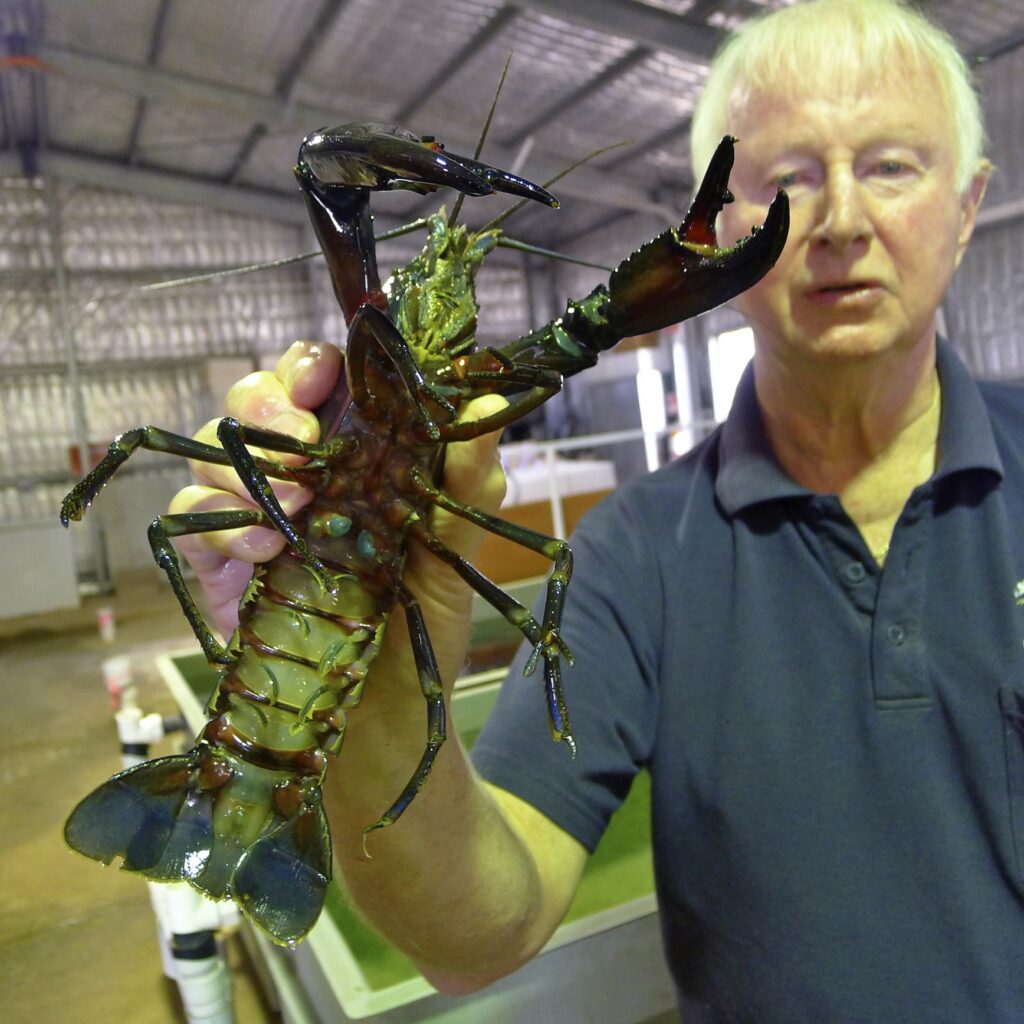
The second scheme involves keeping crayfish in winter in closed ponds with heating, water filtration and food During this time, crayfish will be able to gain a lot of weight in a much shorter time, but this cultivation scheme requires significant capital and operational costs. I think that such a scheme is perfect for growing the most expensive crab – marron, which is always in demand on the world market. Although it is necessary to calculate for other types of crayfish.
We suggest everyone interested in crayfish farming to take part in the project “Crayfish farm”.
By the way, pools for winter storage of crayfish can be shallow – 30-40 cm (because for crayfish, the area is more important), which allows them to be placed in several tiers On 1 sq.m. such an area at low water temperature can hold 50-100 one-year-old crayfish. Of course, when growing in warm water, it is necessary to keep half as many crayfish per unit area, while arranging hiding places where the crayfish can safely molt.
Crayfish has been present in Ukraine for quite some time. Unfortunately, no one has yet tried to grow this hydrobiont on an industrial scale. АЧКР – is one of the easiest to breed and obtain young animals. The author of this article had the opportunity to visit a farm in the Russian Federation (Astrakhan), where local entrepreneurs grow crayfish of this species in small quantities. It is grown according to the scheme described above, which really works and allows you to get good harvests. As far as we know, vegetables, cereals and other products of plant origin were used during cultivation. No special feeds were used. In Ukraine, we have developed feed for shrimp, which will definitely be suitable for intensive cultivation of crayfish, because the nutritional needs of all crustaceans are similar.
AChKR fry can be ordered in small quantities. The breeding season is starting right now, so it is possible to get full-grown hatchlings already in the spring, which will delight you with their size and taste in a year.
Our team plans to bring the rest of the species (yabbies, maroons) from Australia from a local nursery. Therefore, we can expect the appearance of planting material in small quantities soon.
Yabbi is also a fairly easy crayfish to breed, and just like AChKR, it gives offspring several times a year. But noble maroons reproduce once a year, so you will have to try to get the offspring at the right time. Therefore, work on the design and construction of a crayfish farm should be started in advance, so that by the start of the season we already have the necessary amount of planting material.
Next season, we will start trying to grow Australian crayfish in several places of our homeland. Selected places in Lviv, Kyiv, Kherson and Odesa regions. Let’s try to grow a trial batch and be sure to share the results. If anyone is interested in participating in this project, please contact.
We have great hope that the industrial management will prove its ability and we will be able to use a high-quality domestic product.
We invite everyone interested in crayfish farming to participate in the project “Rakova farm”.