What kind of fish should I grow? Or it would be more correct to ask the question: what aquatic organism should be grown in aquaculture? This question is really the most important not only for beginning aquaculturists, but also for experienced aquafarmers. Many of the owners of existing farms have been using developments since the times of the USSR. It is clear that changing and adapting to new conditions is difficult. “Break, don’t build” – I often hear exactly this type of excuse from experienced aquafarmers. I simply suggest calculating all operating costs and the cost of farmed fish. Then all questions disappear immediately. Adapt or die!
Adapt or die!
Aquaculture is a fairly dynamic business. New developments in this area appear almost every month. It is clear that the scheme (backbone) remains the same, but new means are being developed for the production of highly competitive products by optimizing production. It is clear that new products need to be introduced either in new areas of the farm or in those areas that require modernization. In home fish farming, in principle, constant investment is not required, since with small volumes of fish grown, these new products do not significantly affect the cost of cultivation. You need to understand that the cost of growing 500 kg, 10,000 kg and 100,000 kg will be different. Between the first and last numbers, this figure will be up to 40% lower.

But before you decide to grow 100,000 kg of fish per year, you can and should practice on a small module of up to 10,000 kg per year. I believe that messing around with a micro RAS (recirculating aquaculture system) of up to 1000 kg of farmed fish per year only makes sense to feed your own family, as well as to practice basic fish farming procedures. The cost of raising fish in such systems is usually high, but it will still be cheaper than buying the same fish from the supermarket. Plus, you understand and know exactly where and under what conditions the fish was grown. Plus, watching how the fish grows is a separate pleasure, which comes as a pleasant bonus.
Enough with big words and beautiful expressions! Let’s start discussing the main types of fish (and not only) that can be grown without any problems in RAS conditions.
Tilapia
For me, as a novice fish farmer, this fish is undoubtedly number 1 on the list. What are the advantages?
- Fast-growing fish. In 4-5 months it can reach a weight of 350-400 grams (portioned).
- Undemanding in terms of oxygen content. Can withstand short-term decreases in dissolved oxygen levels down to 2.5 mg/l.
- Delicious portioned fish. Fish aged 8-10 months with a weight of about 1 kg are ideal for obtaining tasty and healthy fillets.
- Cheap food. The advantage of tilapia is that for good growth it needs a small amount of animal protein (10-20% fishmeal). And the basis of all food for these fish is plant proteins. And they are cheap and can be grown in our country.
- Low cost of cultivation. The cost of portioned fish in home RAS can range from 3-3.5 dollars. Industrial cultivation allows you to reduce this price to 2.5-2.9 dollars per kg.
- With the help of oxygen generators, you can maintain a fairly dense planting – up to 140 kg/m3.
One of the biggest disadvantages is that fish need a temperature of 28-30 degrees for active growth. Tilapia can withstand temperatures dropping to 14-16C, but it hardly feeds.
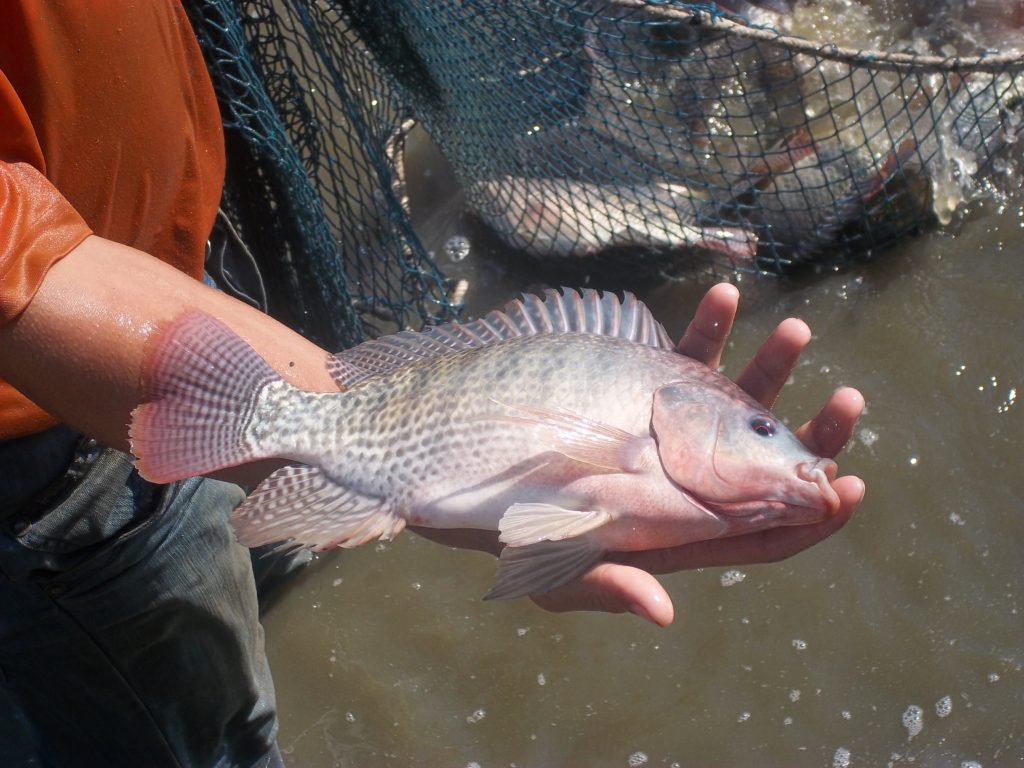
The most promising species for cultivation: Nile (Oreochromis niloticus), blue (O. aurea), hybrids of previous species, as well as Mozambique (O. mossambicus). I wouldn’t recommend growing Mozambique in intensive settings as it is quite slow growing, but as a first species to grow it would be ideal. In Africa, it is grown in feeding ponds.
In our country at the moment there are problems with quality fry. Our team just launched the tilapia queen cell at the end of last year. The main species is Nile tilapia, the original line obtained from Thailand. Large males gained weight of 900 grams in 9 months. We hope in a couple of months to increase the volume of grown fry to 10,000 fry per month. There are plans to import hybrid lines from Israel, Malaysia, and China.
With the wholesale cost of one fish being around $0.2, this could be a good addition to your basic salary.
By the way, organizing a small farm to produce tilapia fry can be a very interesting and profitable activity. To do this, you need to buy a queen nest (1 male + 5 females). Such a nest will give you the opportunity to raise 3-4 thousand tilapia babies per month. With the wholesale cost of one fish around 0.2 dollars, this can be a good addition to your basic salary. The cost of a spawning nest will be about $200. In a couple of months, we will be ready to offer our producers to local aqua farmers.
The cost of growing tilapia should be around 2.5-3.5 dollars per kg. Wholesale price – 6-7 dollars. Retail reaches up to $10 per kg in Ukraine. I personally believe that this is the most promising aquatic organism at present. That’s why I insisted on promoting this type of fish in our market.
Trout
Royal fish! No wonder they call her that. A delicious fish that is suitable for feeding all age groups of people. Trout meat is considered an exquisite delicacy and is in great demand among all populations.

For breeding in conditions of ASD, they are usually used rainbow trout (Onkorhynchus mykiss). This fish species is native to North America. It prefers fast, cool rivers with a lot of dissolved oxygen.
Trout is very picky about the amount of dissolved oxygen in the water. The minimum acceptable value of this indicator for trout is 7 mg/liter. If it is lower, then the fish is already beginning to feel unwell and look for sources of oxygen. This is the difficulty of growing this fish in small RAS.
Trout is very demanding on the amount of dissolved oxygen in the water. The minimum acceptable value of this indicator for trout is 7 mg/liter.
This type of fish also has certain requirements for the quality of food: the fish is predatory, so it is important to feed it with balanced purchased food. The cost of such feed ranges from 1.8 to 2.2 dollars per kg. All feed available in our country is imported from Europe. The feed coefficient of such feed can be 0.95-1.1. Those. per unit weight of grown products you need to spend 0.95-1.1 kilograms of feed. The cost of raising trout under RAS conditions ranges from $2.2 to $3.5. Currently, the wholesale price of trout in Ukraine is $4 per kilogram. At retail, king fish sell for $5-8.
For growing, it is recommended to buy fry 8-10 cm in size, weighing about 10 grams. In just 6-7 months, this baby can be grown to the size of a table fish (250-350 grams). During growth, fish must be sorted by size. This will increase the percentage of fish yield and reduce possible cannibalism. The largest individuals can be grown up to large individuals of 2.5-3 kg. At the final stage of growing this fish, special feed is used (with natural dye astaxanthin), which makes the fish meat red. This kind of fish is ideal for filleting, salting, smoking, etc.
Well, the fish is royal, and therefore the concerns for its cultivation are royal.
Well, the fish is royal, therefore the concerns for its cultivation are royal. But I’m sure that these worries more than pay off when you manage to grow tasty and nutritious fish.
It is especially profitable to grow trout in open super-intensive RAS near restaurant complexes. A good fish restaurant can annually sell at least 10,000 kg of fish per year. At the same time, selling the grown fish at a price of 8-10 dollars, which allows you to very quickly recoup the costs of building the RAS.
Clariid catfish
One of the most unpretentious types of fish for growing in aquaculture. They say that it can be grown with very dense planting – more than 300 kg per 1000 liters of water. It is completely undemanding to oxygen, because in the process of evolution it has developed an organ that allows it to absorb atmospheric oxygen. You can read more about this interesting fish at Wikipedia.
And so, catfish are omnivorous fish, i.e. you can really feed everything: slaughterhouse waste, cheap small fish, minced meat, etc. It is clear that the feed ratio of such feed is very low (for 1 kg of weight gain you need 2-2.5 of such feed), but this really allows you to reduce costs. Commercial catfish feed produced in Ukraine will cost around 0.8-0.9 dollars per kg. Imported ones cost $2, which makes them uncompetitive.
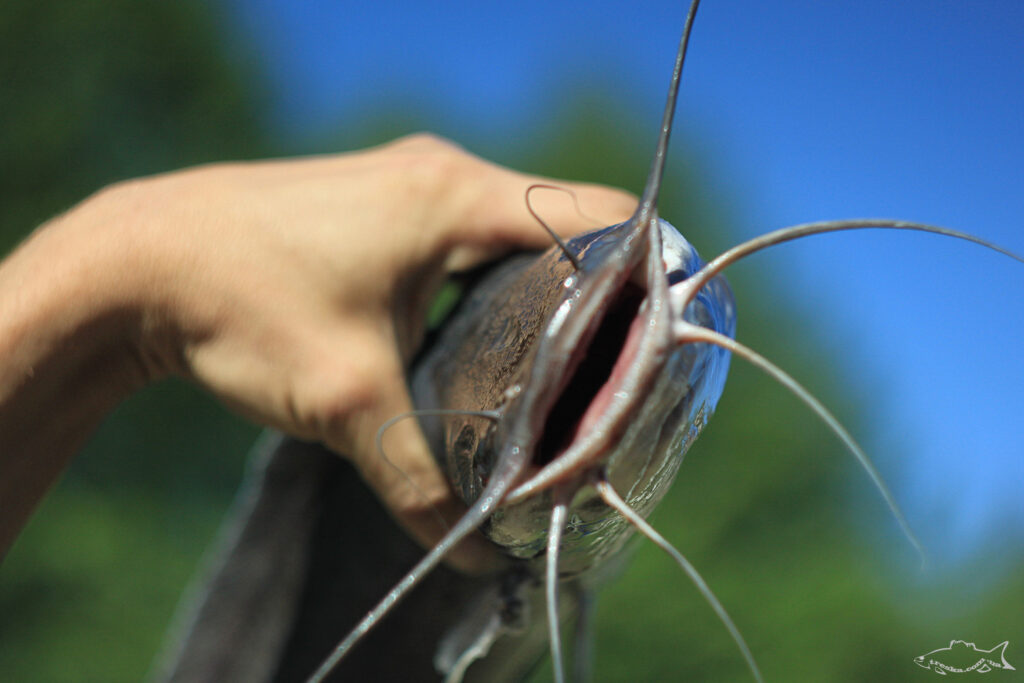
Also, catfish need warm water for active growth. But he is really capable of growing more than 1 kg in 5-6 months. Capital costs for cultivation are also very low, because they allow you to grow a lot of products per unit volume of water.
According to economics, the cost of catfish ranges from 2 to 2.5 dollars per kg. It is sold on the market for 2.5-3 dollars per kg. As you can see, the markup is not very large, but when growing a large amount of fish it becomes a very interesting event. Plus, the fish can be processed (smoked, filleted), which will allow you to sell the fish at a higher premium.
Fry catfish are available in any quantity. It can be bought in at least 3-4 farms throughout Ukraine. With warm water, cheap feed and well-established sales, the clary catfish is a very serious player in the domestic aquaculture market.
Sturgeon
This is the type of fish that is most interesting to people who want to start farming fish. Apparently this is due to the fact that in Soviet times, sturgeon was considered a rare delicacy and was a relatively expensive product, available only to a certain category of citizens. Another myth associated with sturgeons: they give black gold! But in order to get eggs from a female, she needs to be raised for 5-6 years. And when you count all the costs of its production, you will understand that this caviar is truly golden. In order to understand the scale of investment to obtain a commercially viable amount of caviar (2500-4000 kg per year), this will amount to a sum with at least 7 zeros. Plus, we still have to live until the first harvest of caviar. After all, the entire production cycle is at least 5-6 years. This is all other things being equal, when everything is smooth, without a hitch. Typically, such a farm reaches full capacity in about 8-10 years. Anyone who has an extra ten years or ten million dollars, then you are welcome to join the black gold business.
In order to understand the scale of investment to obtain a commercially viable amount of caviar (2500-4000 kg per year), this will amount to at least 7 zeros.
I personally have nothing against sturgeon. But I think they rank 4th on my list. Trout, in principle, can even be placed in third place, but the combination of a restaurant and aqua farm is very captivating, which gives excellent results and a quick return on investment.
And so, sturgeon from fry of 10 grams grow to a commercially interesting fish of 1000 grams in 8-10 months. At the age of 15 months, this fish should weigh under 2 kilograms. The growth potential of sturgeon is not bad, at the same level as trout. But compared to tilapia and clary catfish, this is heaven and earth. But sturgeon is a kind of “nobler” fish; it is also called the king’s fish. Therefore, its price is much higher.
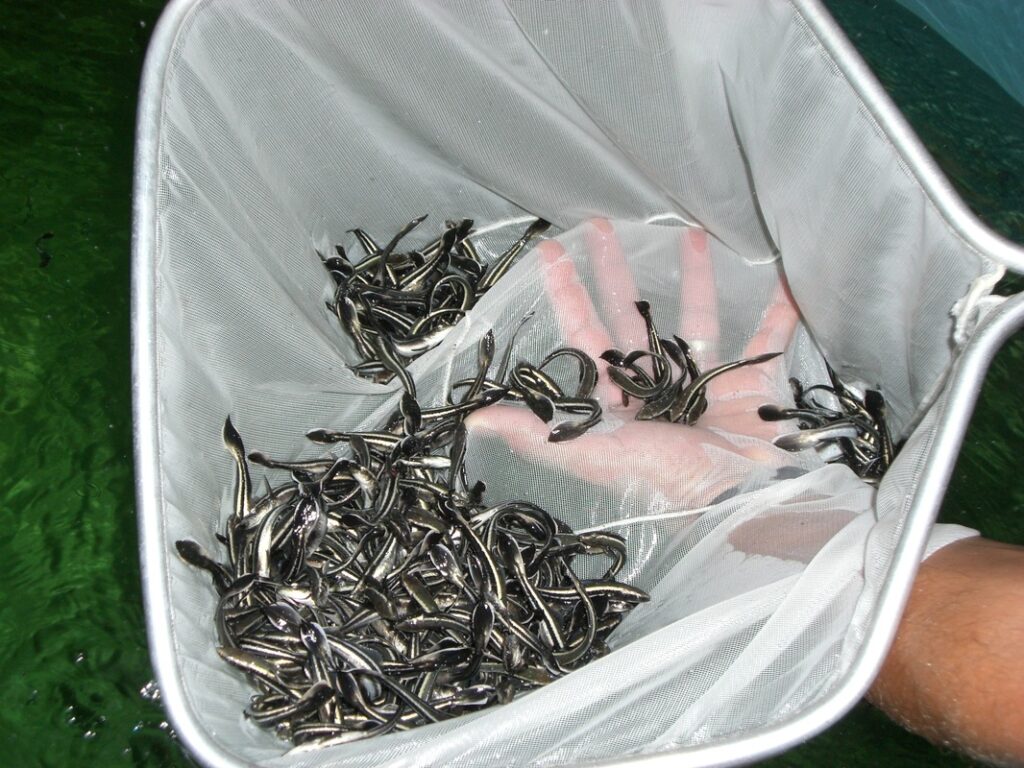
From my experience, sturgeon weighing one kilogram is not a very interesting business. There’s really nothing to eat in this sturgeon. A good yield of meat is obtained in fish weighing 3-4 kilograms, and this fish needs to be raised for 2.5-3 years.
Sturgeon need special food. Although producers and large fish are fed with cheap frozen fish. Again, to get a kilogram of fish growth you need to feed 5-6 kilograms of fish. Plus, this type of feeding is more suitable for cage farming because these feeds heavily pollute the water in your closed system. The cost of imported feed is around 2.5-3 dollars per kg. CC (feed coefficient) – 1.1.
Sturgeon is quite demanding on dissolved oxygen (minimum value – 5.5-6 mg/l) and water quality. It is in second place after trout in terms of demand and difficulty of cultivation. If you get the hang of it, you can grow 25-30 kg of sturgeon in 1000 liters of water without any problems. With the help of forced addition of pure oxygen, the density of fish can be increased by 2-2.5 times.
The cost of growing fish is 5-7 dollars per kg. Wholesale price – 7-8 dollars. Retail, respectively, is about 2 dollars per kg. Those. earnings from sturgeon are minimal. One of the promising ways to increase added value is the production of smoked balyk and carcasses. For balyk, individuals weighing at least 5-6 kilograms are needed.
Bester (a hybrid of beluga and sterlet), Lena and Russian sturgeon are best suited for growing in RAS conditions. Sterlet is quite slow-growing.
Barramundi
The next interesting and promising object for cultivation in our country could be barramundi. Barramundi (lates, white sea bass, Australian sea bass, lats xml:lang=”la”>ray-finned fish of the family Lataceae of the order Perciformes. The fish is predatory; in natural conditions it feeds on small fish and crustaceans. Distributed from the Persian Gulf to Indochina and Australia.
Is the object of industrial cultivation in the countries of South Asia and Australia. Recently, this species has been actively grown in RAS systems in Europe, the USA and other countries. In a year under natural conditions it can grow more than 45 cm weighing 3-5 kg.
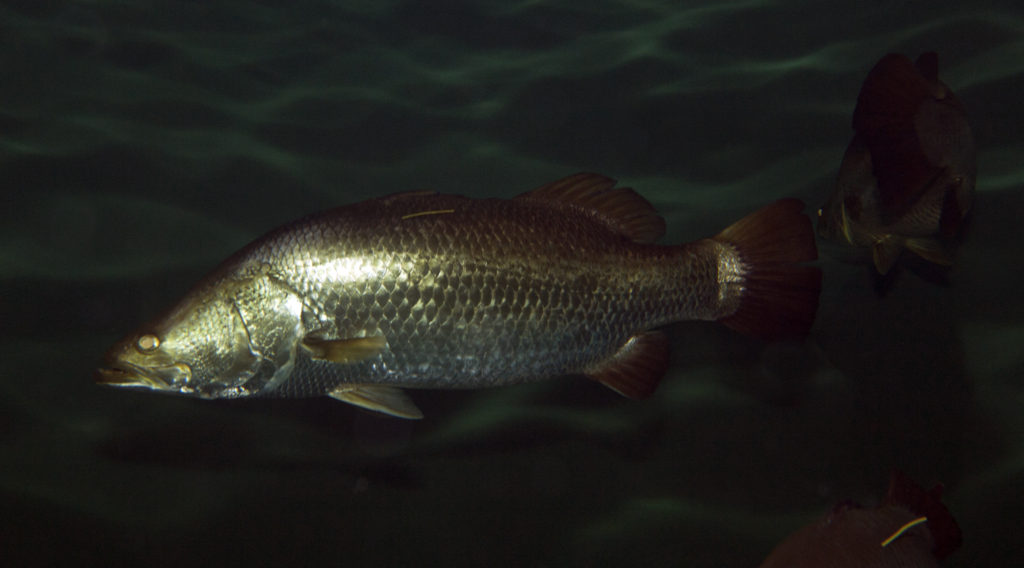
In Australia it is one of the most important objects for sport and recreational fishing: the fish is very powerful, often reaching sizes of more than 100 cm and weighing up to 40 kg. Also very often, barramundi is grown in domestic mini-ras for consumption.
The fish feels great in both completely sea, salted and fresh water. Therefore, it is ideal for cultivation in recirculating aquaculture systems (RAS). The fish is heat-loving, so the comfortable and optimal temperature for growing in the RAS will be 27-29C.
A few more interesting facts about barramundi. In the first 3-4 years of their life, all barramundi are male. After reaching a size of 70-80 centimeters, they turn into females. Therefore, when breeding, you need to constantly ensure that there are males in the broodstock. Fish can be bred in artificial conditions using hormonal injections. One adult female can produce more than 30 million eggs per year.
Also in Asian countries they believe that this fish meat has unique qualities (aphrodisiac) that have a positive effect on people’s sexual desire. No wonder many people call this fish “Passion fish.” So, if you come across this name on the menu of any Asian restaurant, know that you will be eating barramundi.
Fish meat is considered a delicacy, and therefore is highly valued in the market. Gutted carcass sells from 30 to 50 dollars per kg.
We offer you the opportunity to become the first to grow this valuable species of fish in our country. The technology for growing fish is very simple; its parameters are no different from ordinary sturgeon PAC. More information about this interesting species can be found on the page “Barramundi-20”.
Eel
Another promising delicacy of fish is the European eel.
European eel (Anguilla anguilla) – one of the most delicious and valuable fish species on the world market. Smoked eel is hardly one of the most delicious delicacies among lovers of delicacies. In addition to the fact that it is very tasty, eel meat also has “restorative” abilities, so fish of this species are in great demand in Asian countries, where a large number of different interesting species of animals are eaten.
In European countries, for a long time there was a taboo on eating eel because of its resemblance to a snake. This is what saved him from complete destruction in European countries. Currently, eel is listed in the Red Book, so they prefer to grow it on special farms in recirculating aquaculture systems (PAC). Eels have a very complex reproductive pattern, involving a very complex metamorphosis from larva to fry, which is why scientists are still struggling to raise eels in captivity. Now the reproduction cycle cannot be artificially controlled and all the larvae that are raised on farms are first caught in the places of their migration to freshwater rivers.
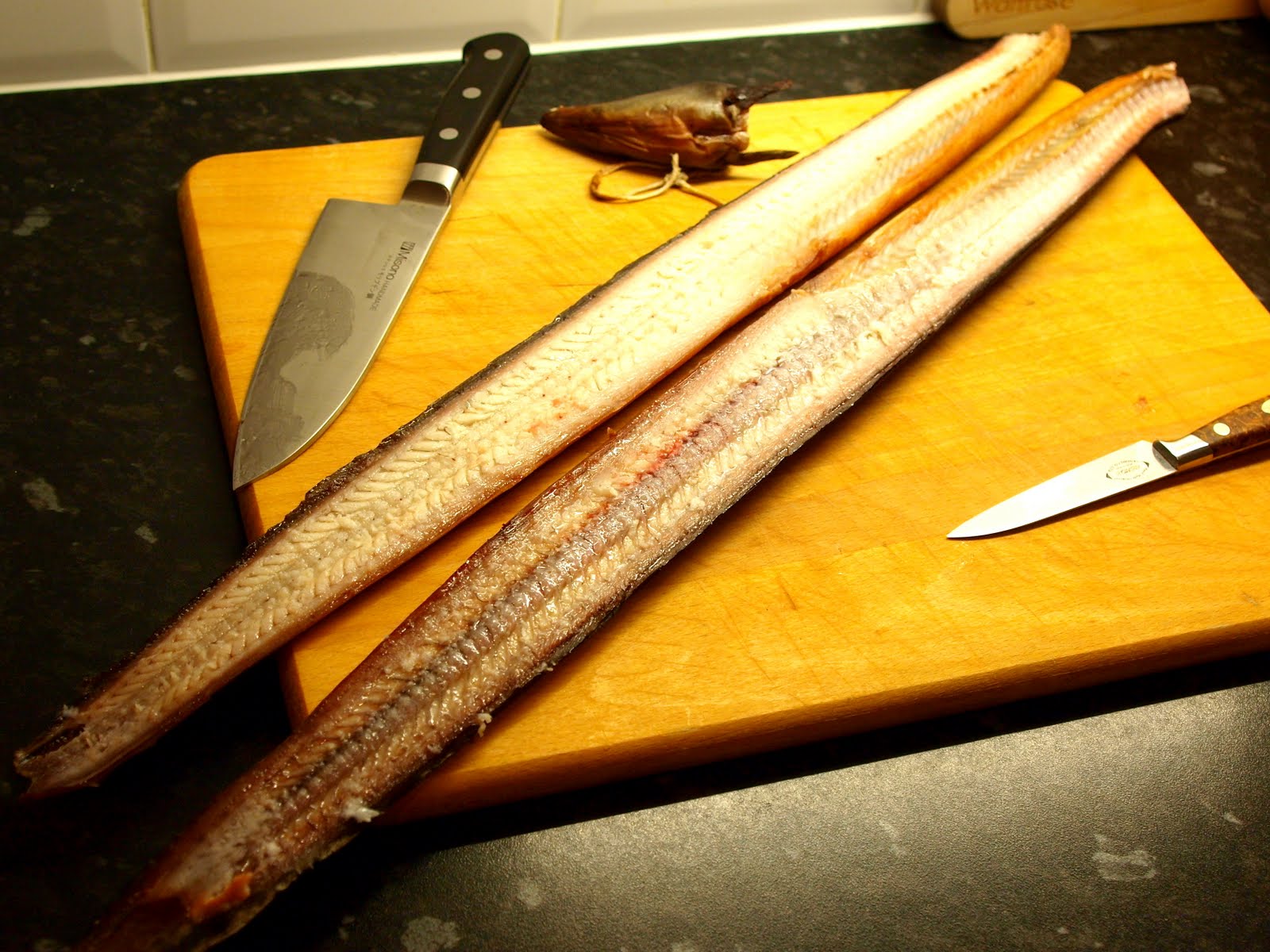
Caught eel larva (glass eel) are placed in special conditions where, on artificial food, the fry reach a size of 5-7 cm and can already be raised under normal RAS conditions.
In our country, the eel can be found on Lake Svityaz (Shatsk Lakes) and in many rivers. It is very rare.
Several figures regarding eel cultivation can be found on the project page “Eel-10”.
Conclusion
You see how many interesting things I was able to tell you today about the possibilities of cultivating different types of fish. I tried to objectively provide information on each type. I am sure that there are some inaccuracies or errors in this article, please let me know about them. After all, as they say, one head is good, but two are better!
I would also like to highlight separately the topic of growing crustaceans. I have already written about shrimps. I consider this type of aquaculture to be very profitable and promising. Information about the project “Shrimp-5” is already on our page. Also this year I want to conduct an experiment on growing our crayfish using bioflocculation technology. There is a feeling that everything should work out and we will be able to grow a certain number of crayfish.
Did you recognize the fish that I put on the cover of this article? Yes, this is an ordinary silver bream that you take with beer. I wonder whether it will be commercially viable to grow this fish in RAS and then dry it. Who can do the analysis?
In the meantime, follow the updates on this site, register on my forum Koigu.ru, subscribe to the page in Facebook.
Leading Specialist Vismar Aqua—LOVE WORLD OF GAYDAMAK
+380 50 879 6803
+380 67 502 4730